
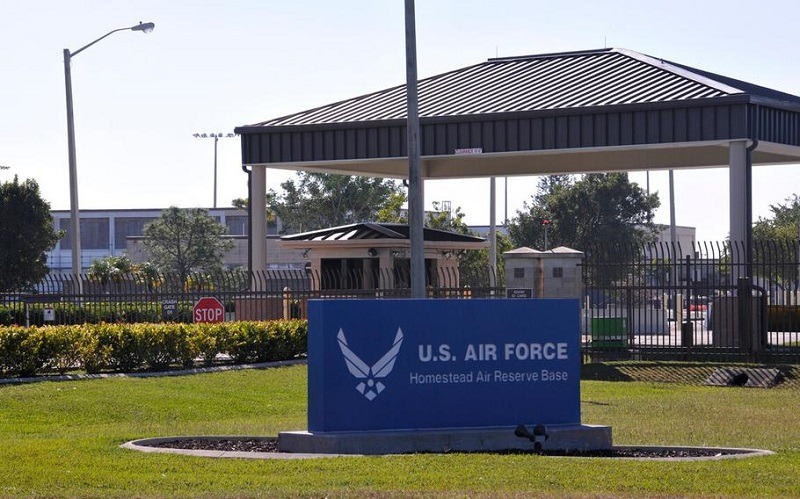
Orders to Homestead Air Reserve Base mean trading one stack of logistics for another: housing, schools, vehicle registration, a household goods shipment, and a climate that stays hot and humid for most of the year. Appliances rarely make the PCS checklist until something goes wrong, like a fridge that arrives with a dented door or a rental washer that floods the laundry closet on its first load.
Give them their own line on the plan. It takes an hour or two spread across the move and saves a lot of arguing later about who broke what.
Phase 1: Before the movers show up
Find out what comes with the house. Ask the landlord or housing office for a written list of included appliances. Some rentals include a washer and dryer; others only have hookups. Don’t go by the listing photos.
Decide what’s worth shipping. If you own a washer, dryer or chest freezer, confirm the new place has matching hookups (gas or electric dryer, vent location) and room for it. Measure the doorways and the laundry space. A front-loader that fit your last laundry room may not fit a Florida closet.
Ask what the movers will and won’t do. Disconnecting water lines, gas lines and dryer vents may not be part of your shipment. Ask your transportation office or moving company well before pickup instead of finding out on packing day. If you’re doing a personally procured move, all of it is on you.
Photograph everything you ship: outside, inside and the model sticker. Keep the manuals, or downloaded PDFs, in your carry-on folder, not in a box on the truck.
Phase 2: Prep the appliances for the truck
- Washer: Many front-loaders need their shipping bolts reinstalled to lock the drum in place. If you kept them from your last move, dig them out now. If not, the manual lists the part. Drain the hoses, bag them with any small parts, and label the bag.
- Refrigerator: Empty it, defrost the freezer and dry the inside completely a day ahead so it doesn’t arrive musty. Secure or pack the shelves and drawers.
- Dryer: Clean the lint screen and check the vent connection. A gas dryer should be disconnected and capped by a licensed technician or your gas company, not by whoever is free on moving day.
Pack a cooler for the drive. A fridge in a moving truck isn’t cold storage, and you’ll want cold drinks on the road south.
Phase 3: Key turnover
Before a single box comes through the door, walk the house with your phone:
- Photograph every included appliance inside and out, including the model stickers.
- Note damage: cracked shelves, torn door gaskets, missing racks, burners that won’t light, rust, water stains.
- Find the main water shutoff and the valves behind the washer and under the sink.
- Check that the dryer vent behind the machine isn’t crushed or disconnected.
- Email the list and photos to the property manager the same day, and file a copy with your PCS paperwork.
Ask who handles repairs and how, and save the emergency maintenance number in everyone’s phone. For landlord-owned appliances, the manager usually decides who does the work, whether that’s in-house maintenance or an outside company such as Starchenko Appliance Repair. Don’t book a technician for a rental appliance on your own unless the manager says to; reimbursement isn’t automatic.
Phase 4: Start things up one at a time
Hook up your own appliances according to their install guides, and don’t run the washer until the shipping bolts are out. Treat the first cycle as a test. Stay in the room, watch the hoses and the floor, and stop it if it shakes hard or leaks.
If the refrigerator rode on its side, check the manual for how long it should stand upright before you plug it in, and wait until it’s cold before loading groceries. In South Florida heat, a garage is a rough place for a standard fridge, so check the manual’s ambient temperature range before parking a second one out there.
For a freestanding range, ask the landlord or installer to confirm the anti-tip bracket is installed and engaged. The CPSC’s range safety alert explains why: an unsecured range can tip forward when weight lands on the open oven door, and children are the ones most often hurt. Don’t pull a connected range out yourself to check.
Phase 5: Get ready for hurricane season
Atlantic hurricane season runs from June through November, and families who have never lived on the coast learn quickly how much of storm prep happens in the kitchen. Put appliance thermometers in the fridge and freezer, know where the shutoffs are, and keep the manager’s emergency number handy. During an outage, keep the fridge and freezer doors closed as much as possible. When power returns, check the thermometers before you trust the food; 40°F or below for the fridge and 0°F for the freezer are the usual food-safety targets.
Keep the move-in photos, appliance list, manuals and repair contacts with your housing paperwork. When the next set of orders comes, that folder will make the move-out inspection a lot shorter.